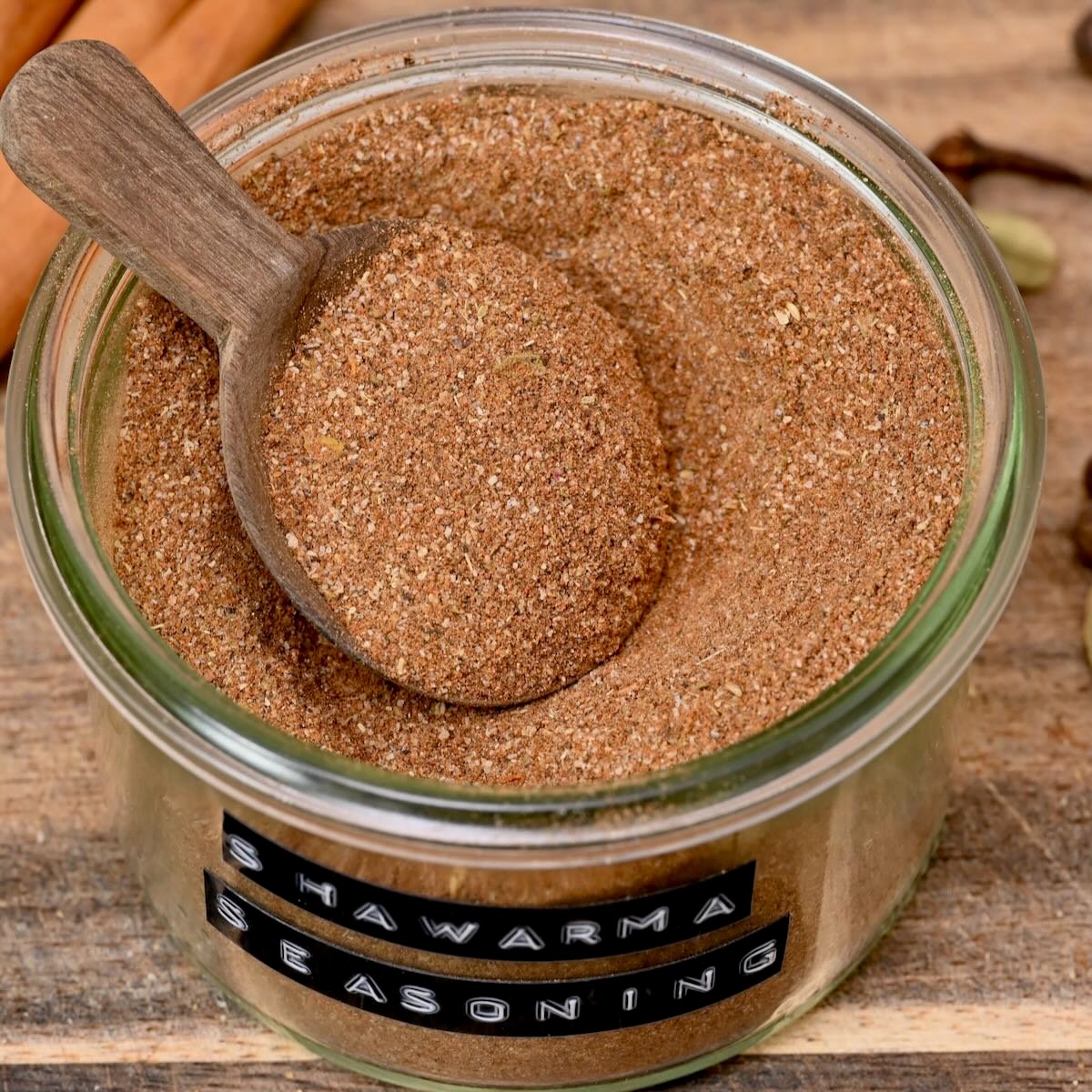
Better Than Store-Bought: Easy Homemade Shawarma Seasoning
Imagine infusing your home kitchen with the captivating aromas of a bustling Middle Eastern market. That enticing fragrance, often associated with succulent grilled meats, is largely thanks to one star ingredient: shawarma seasoning. While store shelves offer various blends, learning how to make shawarma seasoning at home is a game-changer. It’s not just about saving money; it’s about unlocking unparalleled freshness, flavor, and the joy of crafting a bespoke spice blend perfectly suited to your palate. Forget unnecessary fillers and preservatives; embrace the vibrant, authentic taste that only a homemade mix can deliver.Why Homemade Shawarma Seasoning Reigns Supreme
When it comes comes to elevating your cooking, few things compare to the impact of freshly ground and blended spices. This principle holds especially true for intricate mixes like shawarma seasoning, making the homemade route truly superior. Here's why you should ditch the pre-packaged jars and embrace DIY:- Unmatched Freshness and Potency: Spices begin to lose their potency the moment they are ground. Store-bought blends have often sat on shelves for months, diminishing their aromatic oils and vibrant flavors. When you blend your own, you're working with spices at their peak, resulting in a noticeably more intense and fragrant seasoning. This freshness directly translates to a more delicious and impactful dish.
- Complete Control Over Ingredients: Ever wondered what exactly goes into your spice blend? With homemade shawarma seasoning, you know every single component. This means no anti-caking agents, no hidden sugars, no starches, and no preservatives – just pure, unadulterated spice. It’s ideal for those with dietary restrictions or anyone who prefers clean eating.
- Tailored to Your Taste Buds: Do you love a little extra kick? Prefer a milder touch of cardamom? Making your own blend allows you to be the master chef of your spice cabinet. While we'll provide authentic ratios, feel free to tweak the amounts of chili powder, salt, or any other spice to perfectly match your personal preference. This level of customization is impossible with commercial blends.
- Cost-Effective in the Long Run: While the initial investment in individual spices might seem higher, buying spices in bulk or larger quantities for homemade blends is significantly more economical over time than repeatedly purchasing small, pre-mixed jars. You'll have a versatile arsenal of individual spices for other culinary adventures, too.
- The Joy of Creation: There's a genuine satisfaction that comes from creating something delicious from scratch. Blending your own shawarma seasoning adds a personal touch to your cooking, connecting you more deeply with the food you prepare and the cultures that inspire it.
Deconstructing the Authentic Shawarma Flavor Profile: Key Spices Explained
The magic of shawarma lies in its complex and warming spice blend, a symphony of robust and aromatic ingredients that dance on the palate. Each spice plays a vital role in creating that signature Middle Eastern flavor. Here's a deep dive into the essential components that make this blend truly irresistible:- Ground Cumin: Often considered the heart of Middle Eastern spice blends, cumin brings a warm, earthy, and slightly bitter note. Its deep, musky aroma forms the backbone of the seasoning, grounding the other flavors and adding a comforting depth.
- Ground Coriander: Providing a delightful contrast to cumin's earthiness, coriander offers a fresh, bright, and slightly citrusy flavor. It helps to lighten the blend, preventing it from becoming too heavy and adding a subtle, refreshing zing.
- Smoked or Sweet Paprika: Paprika contributes both vibrant color and a layer of depth. Smoked paprika, in particular, imparts a natural, char-grilled essence that beautifully complements grilled meats and roasted vegetables, mimicking the slow-cooked perfection of traditional shawarma. Sweet paprika offers a milder, sweeter note if you prefer less smoky flavor.
- Cinnamon: More than just a baking spice, cinnamon is a cornerstone of savory Middle Eastern cuisine. It adds a distinctive sweetness and warmth, providing an exotic aroma that is instantly recognizable and incredibly comforting.
- Cardamom Powder: Known for its intensely aromatic and slightly sweet, floral, and citrusy notes, cardamom is a luxurious spice that adds an exotic, sophisticated touch to the blend. It's truly one of the defining flavors of authentic shawarma.
- Clove Powder: Cloves offer a strong, pungent, and highly aromatic flavor with a robust spiciness. Used sparingly, they contribute a warming intensity that rounds out the blend and adds complexity.
- Allspice: This aptly named spice tastes like a combination of cloves, nutmeg, and cinnamon, all in one berry. It provides a warm, sweet, and subtly peppery flavor that unifies many of the other spices.
- Nutmeg: Delivering a slightly sweet, nutty, and warm flavor, nutmeg adds another layer of aromatic complexity to the mix. For the freshest taste, consider grating whole nutmeg if available.
- Chili Powder: For a gentle warmth and a hint of mild heat, chili powder is included. It’s designed to provide background warmth rather than overwhelming spiciness, enhancing the overall flavor profile.
- Garlic Powder: A staple in savory cooking, garlic powder provides essential depth and a savory umami note that enriches the entire blend.
- Dried Oregano: Offering an herbal, slightly bitter, and earthy flavor, dried oregano adds a Mediterranean touch, complementing the other robust spices beautifully.
- Salt: Crucial for balancing and enhancing all the other flavors, salt helps to bring out the best in each spice, making the entire blend more cohesive and palatable.
- Black Pepper: A foundational spice, black pepper adds a sharp, pungent heat and a classic peppery kick that brightens the overall blend.
Understanding these individual components reveals the true artistry behind Authentic Shawarma Seasoning: Essential Middle Eastern Spices. Each element contributes to a harmonious whole, creating a flavor profile that is both complex and incredibly satisfying.
Your Step-by-Step Guide: How to Make Shawarma Seasoning at Home
Crafting your own shawarma seasoning is surprisingly simple, requiring only a few minutes and a handful of readily available ingredients. Here’s exactly how to make shawarma seasoning that will transform your kitchen into a Middle Eastern culinary haven.Ingredients You'll Need:
The beauty of this recipe lies in its simplicity – you only need dried, ground spices. The fresher your spices are, the more vibrant and long-lasting your blend will be. While store-bought ground spices work well, consider investing in whole spices and grinding them yourself for the ultimate freshness and intensity of flavor. A small spice grinder (or even a clean coffee grinder dedicated to spices) can unlock a whole new level of aroma.
- Ground Cumin
- Ground Coriander
- Smoked or Sweet Paprika
- Ground Cinnamon
- Cardamom Powder
- Clove Powder
- Allspice
- Ground Nutmeg
- Chili Powder (adjust to desired heat level)
- Garlic Powder
- Dried Oregano
- Salt
- Black Pepper
(Specific ratios for each spice will typically be provided in a recipe card, which you can adjust to your personal taste.)
The Simple Blending Process:
- Measure Your Spices: Carefully measure out each ground spice according to your chosen recipe ratios. If you're using whole spices, grind them first to a fine powder before measuring. For convenience, you can easily double, triple, or even quadruple the amounts to create a larger batch.
- Combine and Mix: Transfer all the measured spices into a small bowl. Using a whisk or a spoon, mix them thoroughly until the blend is completely uniform in color and texture. Ensure there are no clumps of individual spices.
- Store Properly: Once mixed, transfer your homemade shawarma seasoning to an airtight glass container. A funnel can be helpful to avoid spills. Alternatively, you can measure the spices directly into your container and then secure the lid and shake vigorously to mix everything well.
- Label and Store: Don't forget to label your container with the name of the blend and the date it was made. Store the shawarma spice mix in a cool, dry, and dark place, such as a kitchen cupboard, spice cabinet, or pantry, away from direct sunlight and heat, which can degrade spices rapidly.
For peak flavor and potency, it's best to use your homemade shawarma seasoning within 3-4 months. While it will generally last for 6+ months, the aromatic oils responsible for its incredible taste will gradually diminish over time. This simple process allows you to Craft Your Own Aromatic Shawarma Spice Blend Recipe with ease.
Beyond the Blend: Creative Ways to Use Your Homemade Shawarma Seasoning
Once you’ve mastered how to make shawarma seasoning, the culinary possibilities are virtually endless. This versatile spice blend isn't just for classic shawarma wraps; it's a fantastic way to infuse a touch of the Middle East into a myriad of dishes.- Classic Meat Marinade: This is arguably the most traditional and beloved application. For a kilogram of your favorite protein (chicken, beef, lamb, or even firm tofu/paneer), whisk together 2-3 tablespoons of your homemade shawarma seasoning with 4 tablespoons of olive oil, 2 tablespoons of vinegar (apple cider or white wine) or 1/4 cup of plain yogurt, and 2 minced garlic cloves. Coat your protein thoroughly and marinate for a minimum of 6 hours, or ideally overnight, for the most profound flavor penetration.
- Roasted Vegetables: Transform ordinary roasted vegetables into an exotic side dish. Toss chopped potatoes, cauliflower florets, carrots, bell peppers, or zucchini with olive oil and a generous sprinkle of shawarma seasoning before roasting until tender and caramelized.
- Flavorful Dips and Spreads: Stir a teaspoon or two of the seasoning into hummus, baba ghanoush, or plain Greek yogurt for an instant flavor boost. It also works wonderfully in tahini-based sauces.
- Soups and Stews: Add a warm, aromatic depth to lentil soups, chickpea stews, or even a simple chicken noodle soup. Introduce the seasoning during the sautéing of aromatics (onions, garlic) to allow the flavors to bloom.
- Eggs with a Twist: Sprinkle a pinch over scrambled eggs, omelets, or fried eggs for an unexpected, savory breakfast.
- Dry Rub for Grilling: For kebabs, shish taouk, or grilled steaks, use the seasoning as a dry rub directly on the meat before grilling. The spices will create a beautiful crust and impart incredible flavor.
- Homemade Pita or Bread: Knead a tablespoon or two of the seasoning into your homemade bread or pita dough before baking. The resulting bread will have a subtle, aromatic flavor that pairs perfectly with dips and spreads.
- Popcorn or Nuts: For a unique snack, sprinkle a little shawarma seasoning over freshly popped popcorn or roasted nuts (like almonds or cashews) for a savory, aromatic treat.
